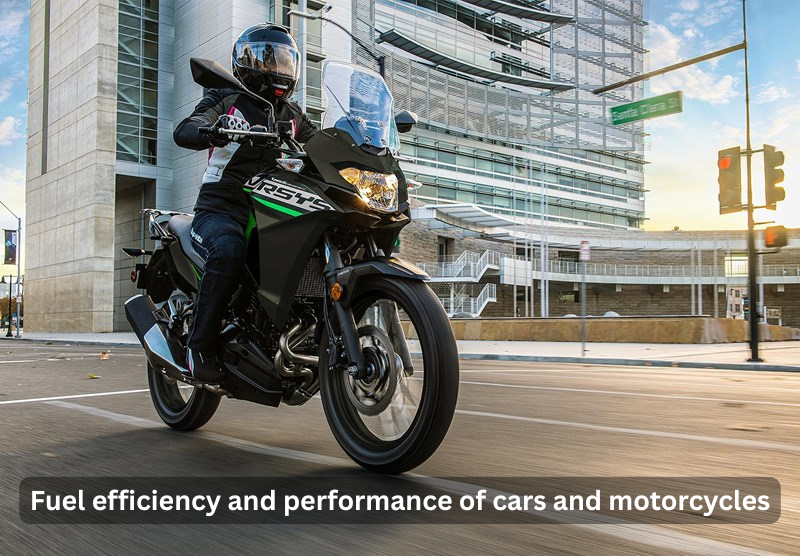
Fuel efficiency and performance are key factors in the comparison between cars and motorcycles. While both vehicles serve similar purposes—providing personal transportation—they differ significantly in these aspects due to their design, size, and technology. Here’s how fuel efficiency and performance compare between the two:
1. Fuel Efficiency:
Fuel efficiency refers to how efficiently a vehicle uses fuel to travel a certain distance, usually measured in miles per gallon (MPG) or liters per 100 kilometers (L/100 km).
Motorcycles:
- Higher Fuel Efficiency: Motorcycles generally have much higher fuel efficiency than cars. Due to their smaller engines, lighter weight, and aerodynamic designs, motorcycles can achieve fuel economy ratings in the range of 50 to 100+ MPG (depending on engine size and type).
- Engine Size and Weight: Motorcycles have smaller engines and less complex components compared to cars, meaning they require less fuel to power them. A typical motorcycle engine might range from 125cc to 1,000cc, and because of their low weight, motorcycles can achieve much better fuel economy than similarly powered cars.
- Environmental Efficiency: Motorcycles also consume less fuel per mile because they have less mass to move. This makes them particularly efficient for short commutes or urban driving, where stop-and-go traffic is common.
Cars:
- Lower Fuel Efficiency: Cars, especially those with larger engines or all-wheel-drive systems, tend to have lower fuel efficiency. The average fuel economy for passenger cars is usually around 25 to 35 MPG for conventional gasoline-powered models. Larger vehicles like SUVs, trucks, and those with higher horsepower will have fuel economies closer to 15 to 20 MPG.
- Larger Engine Size and Weight: The larger engine size, increased weight, and additional components like air conditioning, power steering, and other systems reduce the overall fuel efficiency of cars. This means cars often consume more fuel per mile traveled than motorcycles.
Key Differences in Fuel Efficiency:
- Motorcycles are more fuel-efficient, often achieving two to four times the fuel economy of a car.
- Fuel efficiency in motorcycles is influenced by the engine size (cc) and the riding style, while cars are affected by factors such as engine type, vehicle weight, and aerodynamics.
2. Performance:
Performance refers to a vehicle’s ability to accelerate, handle, and maintain speed, as well as its overall power output.
Motorcycles:
- Acceleration and Power-to-Weight Ratio: Motorcycles have an excellent power-to-weight ratio, meaning they can accelerate quickly with relatively small engines due to their lighter weight. Even with a smaller engine, motorcycles can achieve impressive acceleration, especially sport bikes and performance-oriented models. For example, many motorcycles can go from 0 to 60 mph in 3 to 4 seconds, depending on the model.
- Handling and Maneuverability: Motorcycles excel in agility and maneuverability, particularly in urban environments. They can navigate through tight spaces and handle sharp turns more easily than cars due to their smaller size, lower center of gravity, and the ability to lean into turns.
- Top Speed: High-performance motorcycles, such as sportbikes, can reach very high top speeds, often exceeding 150 to 200 mph. However, standard commuter motorcycles are not built for speed and tend to have top speeds around 60 to 100 mph.
- Acceleration vs. Top Speed: Motorcycles generally have fast acceleration due to their lightweight design, but they are typically less stable at very high speeds compared to cars. The lack of stability, especially in high winds or at high speeds, can limit the practicality of motorcycles for long-distance travel.
Cars:
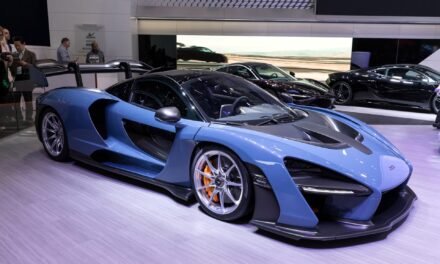
- Acceleration and Power-to-Weight Ratio: Cars generally have a heavier weight and less agile handling compared to motorcycles, but modern cars—especially performance cars—have significantly improved acceleration. High-performance cars (such as sports cars) can accelerate from 0 to 60 mph in 2 to 4 seconds, thanks to powerful engines and advanced transmission systems.
- Handling and Stability: Cars offer superior stability and handling, particularly at higher speeds and on highways. The four-wheel design and larger tires provide better grip on the road, making cars more suitable for long-distance travel, high-speed cornering, and adverse weather conditions like rain or snow.
- Top Speed: Performance cars can achieve high top speeds, often exceeding 200 mph. However, the top speed for most standard cars is generally between 120 to 140 mph, depending on the engine size and design.
- All-Weather Performance: Cars are generally more stable in a wider range of weather conditions (rain, snow, ice), providing better traction and control compared to motorcycles, which are more affected by adverse weather.
Key Differences in Performance:
- Motorcycles have superior acceleration and maneuverability in urban environments, while cars offer better stability and higher top speeds.
- Motorcycles excel in lightness and agility, especially in crowded areas or tight spaces, but cars are safer and more reliable for long-distance travel, high-speed stability, and adverse weather conditions.
3. Other Considerations in Fuel Efficiency and Performance
Fuel Economy in Hybrid and Electric Options:
- Electric Motorcycles (e-motorcycles) offer even better fuel efficiency and performance compared to traditional gasoline-powered motorcycles. They can have ranges between 50 to 100 miles on a single charge, with the advantage of low operating costs and instant torque delivery.
- Hybrid cars (combining gasoline engines and electric motors) and electric cars are also becoming more common, offering improved fuel efficiency and lower emissions compared to traditional gasoline cars.
Environmental Impact:
- While motorcycles are more fuel-efficient, they generally emit higher levels of harmful pollutants (e.g., carbon monoxide, hydrocarbons) per unit of fuel consumed, especially older or poorly maintained models. Electric motorcycles offer a much cleaner alternative with zero tailpipe emissions.
- Cars, especially electric and hybrid models, tend to have lower carbon footprints in terms of fuel consumption. However, emissions from gasoline-powered cars still remain a significant concern for urban air quality and climate change.
Conclusion:
- Fuel Efficiency: Motorcycles are far more fuel-efficient than cars due to their smaller size, lighter weight, and simpler engine design. Motorcycles can achieve two to four times the fuel economy of an average car.
- Performance: Motorcycles offer faster acceleration, better maneuverability, and higher agility in urban environments but sacrifice stability and comfort at high speeds or in adverse weather. Cars, on the other hand, provide better all-weather performance, superior stability, and are generally better suited for high-speed travel and long-distance driving.
In summary, motorcycles excel in fuel efficiency and agility, while cars offer higher performance, greater stability, and are better suited for long trips and all-weather conditions. Both vehicles have their advantages, depending on the user’s needs, travel conditions, and intended use.
Hashtags
#FuelEfficiencyCarsVsMotorcycles #MotorcycleFuelEfficiency #CarFuelEfficiency #FuelEconomyMotorcycles #FuelEconomyCars #MotorcyclesVsCarsFuelEconomy #MotorcycleFuelConsumption #CarFuelConsumption #MotorcycleVsCarFuelSavings #FuelEfficiencyComparison #CarVsMotorcyclePerformance #MotorcyclePowerOutput #CarPowerVsMotorcyclePower #MotorcyclePerformance #CarPerformanceMetrics #SpeedAndPowerComparison #MotorcycleVsCarSpeed #AccelerationMotorcyclesVsCars #FuelTypesForMotorcycles #FuelTypesForCars #GasolineVsElectricMotorcycles #GasolineVsElectricCars #HybridMotorcycles #HybridCars #AlternativeFuelsForMotorcycles #ElectricMotorcyclesFuelEfficiency