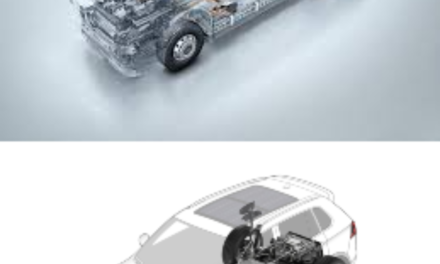
The production of lightweight motorcycles and cars relies on materials that provide strength and durability while reducing weight for improved performance, fuel efficiency, and handling. Here are some commonly used materials:
For Motorcycles:
- Aluminum: Lightweight and strong, aluminum is used in motorcycle frames, wheels, and engine components. It helps reduce weight without compromising strength and is also resistant to corrosion.
- Carbon Fiber: Known for its high strength-to-weight ratio, carbon fiber is used in high-performance motorcycles, particularly in body panels, fairings, and frame components. It offers significant weight savings while providing stiffness and durability.
- Titanium: Often used in exhaust systems and engine parts, titanium is strong, lightweight, and resistant to high temperatures, making it ideal for performance-oriented motorcycles.
- Magnesium: Magnesium alloys are sometimes used in motorcycle wheels and engine components due to their lightweight properties. However, magnesium requires careful handling due to its flammability.
- Steel Alloys: High-strength steel alloys are still used in motorcycle frames for their combination of strength and cost-effectiveness, though lighter materials are often used in non-structural parts.
For Cars:
- Aluminum: Used extensively in car body panels, wheels, engine blocks, and frames, aluminum is lightweight, corrosion-resistant, and helps improve fuel efficiency by reducing the overall weight of the vehicle.
- High-Strength Steel (HSS): High-strength steel is used for critical structural components, providing a balance between strength, safety, and weight. It’s especially common in crash zones and the safety cage of a car.
- Carbon Fiber: Like in motorcycles, carbon fiber is used in high-performance and luxury cars for body panels, hoods, roofs, and interior components. Its exceptional strength-to-weight ratio enhances both performance and fuel efficiency.
- Magnesium: Magnesium alloys are used in car wheels, engine blocks, and transmission housings, offering a significant weight reduction compared to traditional steel or aluminum.
- Plastics and Composites: Reinforced plastics, such as fiberglass and polypropylene, are used in non-structural parts like bumpers, dashboards, and interior panels. These materials are lightweight and cost-effective.
- Titanium: Titanium is used in premium or performance car parts like exhaust systems and suspension components due to its light weight and strength, though it’s more expensive than other materials.
By utilizing these materials, both motorcycles and cars can achieve better fuel efficiency, performance, and handling while maintaining safety and durability.