Aerodynamics plays a crucial role in the design of both cars and motorcycles, impacting their performance, efficiency, and stability. Here’s how it influences each:
Cars:
- Fuel Efficiency: Aerodynamic designs reduce air resistance (drag), improving fuel efficiency. Streamlined shapes, smooth surfaces, and rear spoilers help minimize drag, allowing cars to travel more efficiently and consume less fuel.
- Stability: Aerodynamics also improves stability at high speeds by managing airflow over the vehicle. Proper airflow reduces lift and enhances downforce, which helps maintain tire grip and stability, especially at high speeds or in windy conditions.
- Noise Reduction: Efficient aerodynamics can reduce wind noise, creating a quieter cabin for passengers. Well-designed shapes ensure smoother airflow, reducing turbulence and unwanted noise.
Motorcycles:
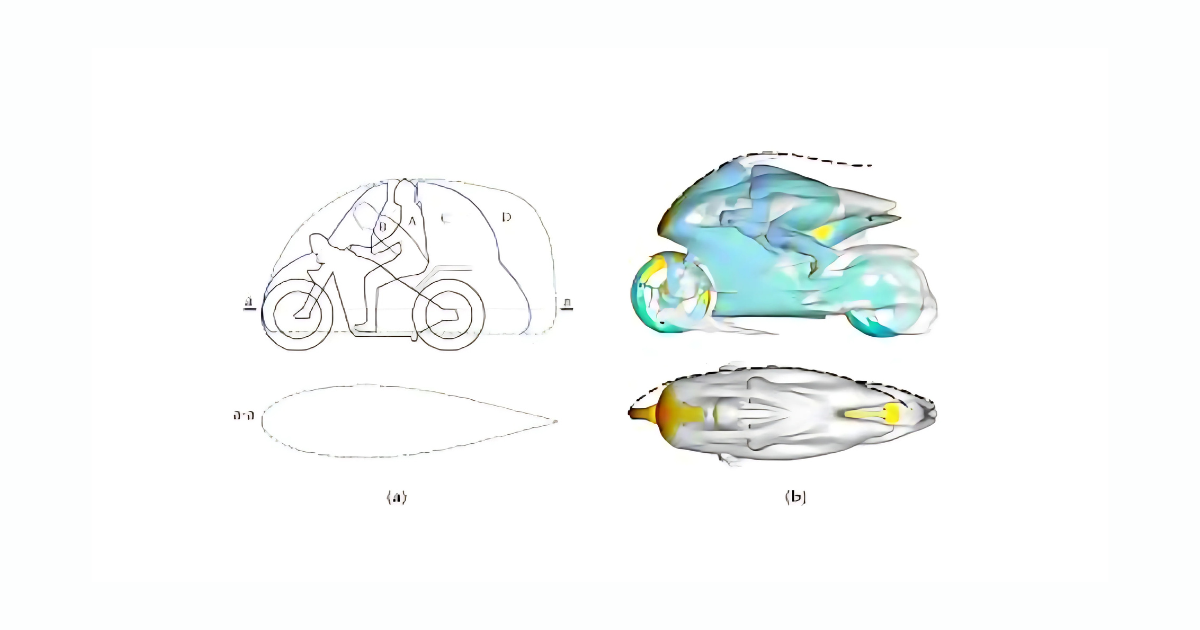
- Speed and Performance: Aerodynamics significantly influences a motorcycle’s speed and handling. A streamlined body reduces drag, allowing the bike to achieve higher speeds with less effort and fuel consumption.
- Stability and Control: At high speeds, the rider’s stability is critical. Aerodynamic features like fairings help reduce wind resistance, allowing riders to maintain better control and posture on the bike, especially during high-speed riding or cornering.
- Fuel Efficiency: Similar to cars, minimizing drag helps improve fuel efficiency in motorcycles, especially in touring or sports models, where long-distance travel or high-performance riding is common.
In both vehicles, aerodynamics is a vital consideration for optimizing speed, efficiency, and safety.