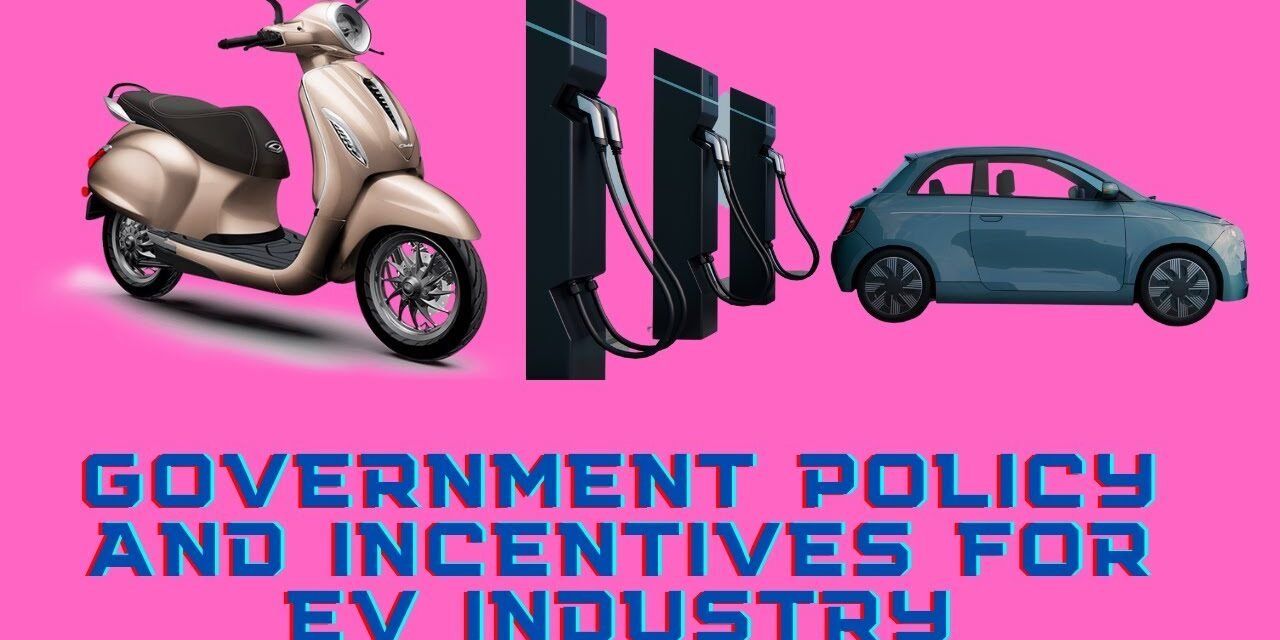
Government policies and incentives play a significant role in promoting the adoption of electric vehicles (EVs), including both electric cars and electric motorcycles. These policies are designed to make EVs more attractive by addressing cost barriers, supporting infrastructure development, and incentivizing environmental benefits. Here’s how they impact adoption:
1. Financial Incentives and Subsidies
Governments often provide direct financial incentives to reduce the initial purchase cost of electric vehicles:
For Electric Cars:
- Tax Credits and Rebates: Many governments offer purchase subsidies, tax credits, or rebates to lower the upfront cost of electric cars. These financial incentives significantly reduce the price gap between electric cars and conventional gasoline-powered vehicles, making EVs more affordable.
- VAT Exemptions or Reductions: In some regions, EVs may benefit from exemptions or reductions in value-added tax (VAT), further lowering their purchase cost.
- Scrappage Schemes: Governments may offer trade-in programs that provide discounts on electric cars when consumers trade in their old, less efficient vehicles.
For Electric Motorcycles:
- Incentives: Similar to cars, electric motorcycles may receive subsidies or discounts, making them more affordable for consumers. These incentives are particularly important in countries where motorcycles are a primary mode of transport, as the price of electric models is generally higher than their gasoline counterparts.
- Tax Relief: Some governments offer tax breaks for individuals purchasing electric motorcycles, encouraging environmentally conscious commuters to make the switch.
2. Charging Infrastructure Development
Governments play a key role in expanding charging infrastructure, which is crucial for the widespread adoption of EVs:
For Electric Cars:
- Government Investment in Charging Stations: Many governments are funding the installation of public charging stations or providing incentives for private entities to install them. A robust charging network makes electric cars more practical for consumers, increasing adoption.
- Home Charging Incentives: Some governments provide subsidies for home charging equipment, reducing the overall cost of transitioning to an electric vehicle.
For Electric Motorcycles:
- Public Charging Infrastructure: Governments often include motorcycle-specific charging stations in their infrastructure plans, addressing the needs of electric motorcycle owners.
- Support for Urban Charging: In many cities, governments prioritize the creation of urban charging networks suitable for both cars and motorcycles, ensuring that riders can charge their electric motorcycles conveniently.
3. Emission Regulations and Environmental Standards
Governments worldwide are enforcing stricter emission regulations to combat air pollution and reduce the carbon footprint:
For Electric Cars:
- Emission Reduction Targets: Many governments have set ambitious emission reduction goals and are incentivizing the adoption of electric vehicles as part of their commitment to tackling climate change. By offering higher incentives for EVs, governments aim to reduce reliance on fossil fuels and decrease greenhouse gas emissions.
- Ban on Fossil-Fuel Vehicles: Some governments have announced plans to phase out the sale of new internal combustion engine vehicles by a set date, encouraging consumers to switch to electric vehicles.
For Electric Motorcycles:
- Low-Emission Zones: In urban areas, governments are introducing low-emission zones where only vehicles with low emissions (such as electric motorcycles) are allowed to enter. This encourages consumers to adopt electric motorcycles, as they are exempt from such restrictions.
- Emission Credits: Governments may provide credits or incentives for electric motorcycles that help manufacturers meet local emissions standards.
4. Research and Development (R&D) Support
Governments also support R&D to accelerate the development of EV technologies:
For Electric Cars:
- Government Grants for R&D: Many governments provide funding or grants to companies working on the development of more efficient batteries, faster charging technology, and longer-range electric vehicles. These innovations make electric cars more competitive and accessible to consumers.
- Partnerships with Automakers: Governments may form partnerships with automakers to further develop and promote electric vehicle technologies through public-private collaborations.
For Electric Motorcycles:
- Battery and Charging Tech Innovation: Similar to electric cars, electric motorcycle manufacturers benefit from government-funded R&D initiatives aimed at improving battery life, charging speeds, and motorcycle-specific technology.
- Support for Local Manufacturers: In some countries, governments support local electric motorcycle manufacturers through grants or incentives to boost domestic production and reduce reliance on imported vehicles.
5. Tax and Regulatory Benefits
In addition to financial incentives, governments provide various tax and regulatory benefits that support EV adoption:
For Electric Cars:
- Lower Registration Fees: Some governments offer lower registration fees or even exemptions for electric vehicles, making the ongoing cost of ownership more attractive.
- HOV Lane Access: In certain regions, electric cars are granted access to high-occupancy vehicle (HOV) lanes or are allowed to park in preferred spots, enhancing convenience and appealing to commuters.
For Electric Motorcycles:
- Reduced Registration and Licensing Fees: Similar to cars, some governments offer reduced registration or licensing fees for electric motorcycles to promote their use.
- Toll Exemptions: In some areas, electric motorcycles may be exempt from tolls on highways or bridges, making them an even more cost-effective mode of transport.
6. Public Awareness and Education
Government efforts to raise public awareness and educate consumers about the benefits of EVs can help drive adoption:
For Electric Cars and Motorcycles:
- Incentive Communication: Governments often run information campaigns to educate consumers on available incentives, the benefits of electric vehicles, and how to access government programs.
- Promotional Events: Governments may also organize test-drive events or partner with automakers to showcase electric vehicles and motorcycles to the public.
7. Long-Term Policy Goals and Commitments
Governments often have long-term sustainability goals that directly impact EV adoption:
For Electric Cars and Motorcycles:
- Carbon Neutral Goals: Many governments have set goals for carbon neutrality by a specific year and have made the transition to electric vehicles a key part of their strategy.
- Green Recovery Plans: In response to economic downturns, governments may use green recovery plans that allocate funds to promote clean transportation, further boosting the adoption of electric vehicles and motorcycles.
Conclusion
Government policies and incentives play a critical role in making electric cars and motorcycles more affordable, convenient, and accessible. Through financial incentives, charging infrastructure support, emission regulations, and R&D funding, governments can accelerate the transition to clean transportation, benefiting both the environment and the economy.
Hashtags
#EVGovernmentIncentives #EVSubsidies #EVTaxIncentives #GovernmentSupportForEVs #EVIncentives2025 #ElectricVehiclesSubsidies #EVAdoptionIncentives #GreenCarIncentives #EVPurchaseSubsidies #EVGovernmentPrograms #ElectricCarIncentives #EVPolicySupport #ElectricCarTaxCredit #GovernmentIncentivesForElectricCars #EVsGovernmentRegulations #ElectricCarSubsidies #EVTaxDeductions #ElectricCarMarketSupport #GovernmentPolicyForEVs #SustainableCarPolicies #ElectricMotorcycleIncentives #EVMotorcycleSupport #EVIncentivesForMotorcycles #GovernmentIncentivesForMotorcycles #ElectricTwoWheelersPolicies #ElectricMotorcycleTaxCredits #ElectricMotorcycleSubsidies