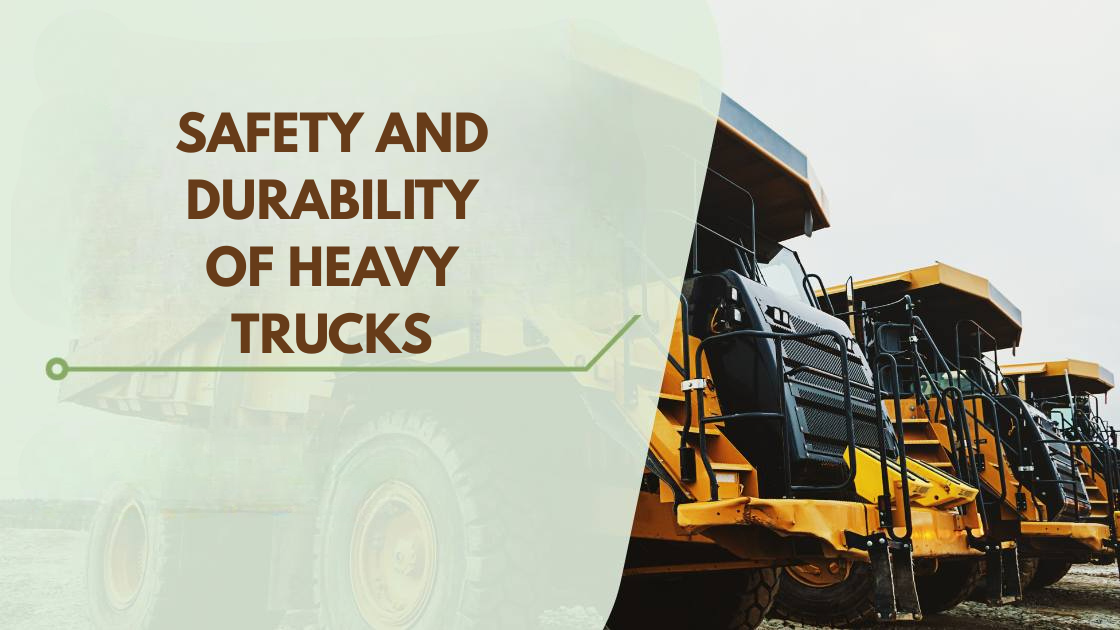
Heavy trucks are designed to withstand extreme loads, long hours on the road, and challenging weather conditions. To ensure their safety and durability, manufacturers implement advanced engineering techniques, rigorous testing, and high-quality materials. Below are the key strategies used in the manufacturing of heavy trucks to enhance safety and longevity.
1. High-Quality Materials and Structural Design
The foundation of a heavy truck’s durability lies in the materials used and how they are assembled. Manufacturers focus on:
- Steel and Aluminum Construction: High-strength steel provides durability, while aluminum reduces weight and improves fuel efficiency.
- Corrosion-Resistant Coatings: Trucks are coated with rust-resistant materials to prevent wear and tear over time.
- Reinforced Frames and Chassis: The chassis is designed to endure heavy loads without bending or breaking.
2. Advanced Safety Features
Manufacturers integrate state-of-the-art safety technologies to protect drivers and passengers. These include:
- Electronic Stability Control (ESC): Helps prevent skidding and rollovers by automatically adjusting braking and engine power.
- Collision Avoidance Systems: Radar and cameras detect obstacles and warn drivers or apply automatic braking if necessary.
- Lane Departure Warning (LDW): Alerts drivers if they unintentionally drift out of their lane.
- Adaptive Cruise Control (ACC): Maintains a safe distance from other vehicles by automatically adjusting speed.
- Automatic Emergency Braking (AEB): Detects potential collisions and applies brakes to reduce impact severity.
3. Rigorous Testing and Quality Control
To ensure reliability, heavy trucks undergo extensive testing before being released to the market:
- Crash Testing: Simulates real-world collisions to assess how well the truck protects occupants.
- Durability Testing: Trucks are subjected to extreme conditions, such as high-speed runs, uneven terrains, and extreme temperatures.
- Load Testing: Ensures trucks can handle maximum loads without structural failure.
- Brake Testing: Evaluates braking efficiency under different conditions, including wet roads and steep slopes.
4. Engine and Transmission Reliability
Heavy trucks require powerful and durable engines that can operate efficiently over long distances. Manufacturers ensure this by:
- Using Turbocharged Diesel Engines: These provide high torque, fuel efficiency, and long life.
- Advanced Cooling Systems: Prevents overheating, especially during long hauls in hot climates.
- High-Performance Transmissions: Designed to handle heavy loads with smooth shifting and minimal wear.
5. Aerodynamics and Fuel Efficiency
Manufacturers incorporate aerodynamic designs to reduce fuel consumption and improve overall truck performance:
- Streamlined Shapes: Minimizing wind resistance improves fuel efficiency.
- Side Skirts and Roof Fairings: Reduce drag and enhance stability.
- Lightweight Materials: Help increase payload capacity without compromising durability.
6. Smart Monitoring and Maintenance Technologies
Modern heavy trucks come equipped with smart systems that help detect issues before they become major problems:
- Telematics Systems: Provide real-time data on engine performance, tire pressure, and fuel efficiency.
- Predictive Maintenance Alerts: Sensors detect potential issues and notify drivers before breakdowns occur.
- Remote Diagnostics: Allows fleet managers to monitor truck conditions remotely, ensuring timely repairs.
7. Compliance with Industry Regulations
Manufacturers adhere to strict national and international safety standards to ensure that trucks meet legal requirements:
- Government Safety Standards: Compliance with regulations such as the U.S. Department of Transportation (DOT) and European Union (EU) safety norms.
- Emission Regulations: Trucks must meet environmental guidelines, such as Bharat Stage VI (BS6) in India or Euro 6 in Europe.
- Weight and Load Capacity Laws: Ensuring that trucks do not exceed safe weight limits to prevent road damage and accidents.
Conclusion
Manufacturers employ a combination of high-quality materials, advanced safety features, rigorous testing, and smart technology to ensure the safety and durability of heavy trucks. With continuous innovations in engineering and design, modern trucks are becoming more efficient, reliable, and environmentally friendly. As the industry evolves, future developments will likely focus on autonomous driving, enhanced connectivity, and even greater fuel efficiency, further improving the safety and durability of heavy trucks.
Hashtags
#HeavyTruckSafety #TruckDurability #BuiltToLast #HeavyDutyTrucks #ReliableTrucks #TruckSafetyFirst #TruckManufacturing #EngineeringExcellence #HeavyDutyEngineering #PrecisionManufacturing #TruckTechnology #InnovativeManufacturing #HighStrengthSteel #ImpactResistant #ReinforcedChassis #CorrosionResistant #HeavyDutyFrame #CrashTestCertified #RigorousTesting #IndustryStandards #SafetyCertified #QualityAssurance #ExtremeDurability #OffRoadTrucks #WeatherproofTrucks #BuiltForAnyRoad #AllTerrainTrucks