Manufacturers of commercial vehicles face unique challenges when it comes to maintenance and repair. They focus on designing vehicles with durability, ease of service, and advanced technologies to ensure reliability and minimize downtime. Here are several ways these challenges are addressed:
1. Modular and Standardized Components:
- Easier Repairs: Many commercial vehicles use modular designs, where components like engines, transmissions, and braking systems are standardized, making it easier to replace and repair parts.
- Interchangeable Parts: Standardization of parts across different vehicle models helps streamline the repair process and reduces inventory costs for spare parts.
2. Predictive Maintenance and Telemetry:
- IoT Integration: IoT sensors and telematics systems monitor vehicle health in real-time, tracking parameters such as engine temperature, tire pressure, and brake wear.
- Predictive Analytics: Data from these sensors is analyzed to predict when parts will require maintenance or replacement, reducing the risk of unexpected breakdowns and costly repairs.
3. Remote Diagnostics:
- Onboard Diagnostics (OBD): Commercial vehicles are equipped with advanced diagnostic systems that can be connected to service centers for remote troubleshooting.
- Fleet Management Software: Real-time monitoring of fleet performance allows fleet managers to address issues proactively, ensuring timely maintenance before problems become major repairs.
4. Long-Life Materials and Durable Design:
- Heavy-Duty Materials: Manufacturers use high-strength, corrosion-resistant materials in key components (e.g., frames, exhaust systems) to extend the lifespan of vehicles, reducing the frequency of repairs.
- Durability Testing: Rigorous testing ensures that vehicles can withstand the harsh conditions often faced in commercial operations, such as extreme temperatures, heavy loads, and long distances.
5. Extended Maintenance Intervals:
- Low Maintenance Engines: Commercial vehicles, especially those used in long-haul operations, are designed with engines that have extended oil change and service intervals. This reduces downtime and the need for frequent visits to service centers.
- Long-Warranty Periods: Manufacturers offer long-term warranties and service packages to ensure that repairs are covered over an extended period, providing peace of mind to fleet owners.
6. On-Site Service and Support:
- Mobile Service Units: Many manufacturers offer mobile service units that can conduct repairs and maintenance on-site, minimizing downtime for commercial fleets.
- Certified Technicians: Manufacturers provide training for technicians at authorized service centers, ensuring high-quality repairs and maintenance with the right tools and knowledge.
7. Advanced Training for Technicians:
- Ongoing Training Programs: Manufacturers offer regular training for technicians on the latest technologies and repair techniques, ensuring that service centers are equipped to handle new vehicle models and advanced systems.
- Specialized Certifications: Many manufacturers have certification programs for service providers, ensuring technicians are knowledgeable about specific vehicle types and technologies.
8. Remote Software Updates:
- Over-the-Air (OTA) Updates: Many commercial vehicles are equipped with software systems that can be updated remotely. This reduces the need for physical visits to repair centers to fix software-related issues, such as navigation or engine performance adjustments.
- Firmware Updates: Manufacturers can push firmware updates to address system glitches, optimize performance, or introduce new features, ensuring that vehicles are always up-to-date without requiring a repair shop visit.
9. Warranty and Service Contracts:
- Comprehensive Service Packages: Manufacturers offer comprehensive service contracts that include regular maintenance, ensuring fleet owners can plan and budget for repairs and minimize operational disruptions.
- Extended Warranty Options: Many commercial vehicle brands provide extended warranties covering repairs, which help offset repair costs over the long term.
10. Spare Parts Availability and Supply Chain Management:
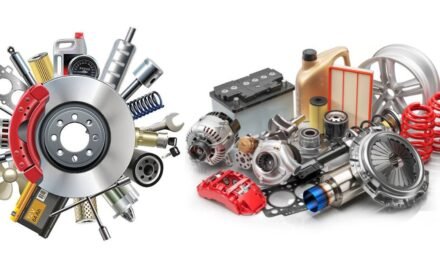
- Global Parts Networks: Manufacturers ensure an efficient global network of parts suppliers, minimizing delays in obtaining spare parts for repairs.
- Inventory Management Systems: Advanced inventory management systems help fleet operators track parts availability and ensure that essential components are stocked and ready for quick replacements.
Manufacturers address the challenges of maintenance and repair for commercial vehicles through innovations in design, advanced diagnostics, predictive maintenance, and service infrastructure. By focusing on durability, ease of service, and technology integration, they help minimize downtime, reduce costs, and improve the overall efficiency of commercial vehicle operations.