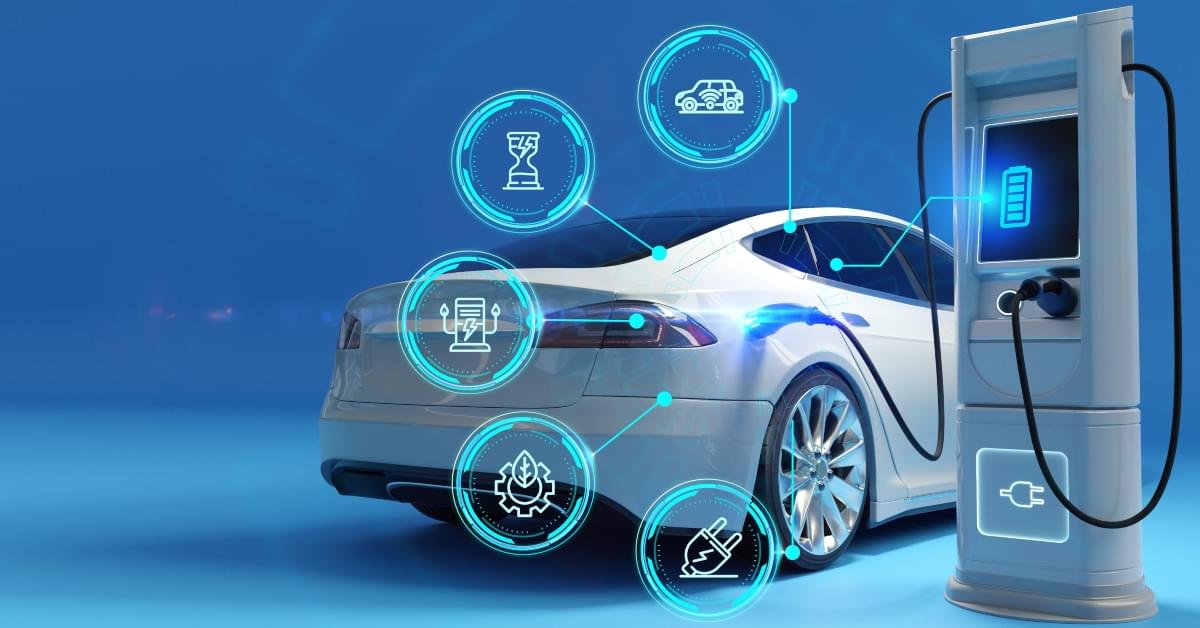
The shift to electric vehicles (EVs) has had a profound and transformative effect on the automotive industry, reshaping how vehicles are designed, manufactured, and sold. This transition, driven by environmental concerns, technological advancements, and changing consumer preferences, has created both opportunities and challenges for automakers. Here are some of the key impacts of the shift to EVs on the automotive industry:
1. Changes in Vehicle Design and Engineering
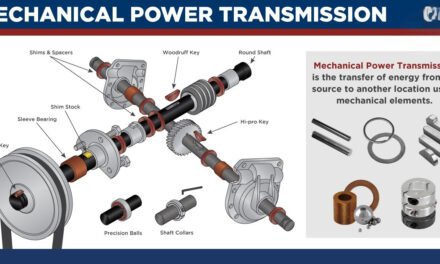
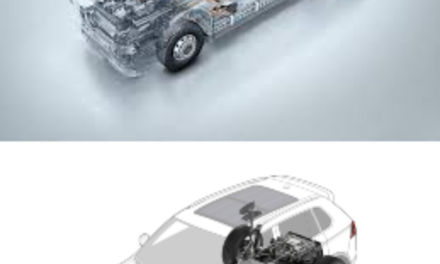
- Powertrain Redesign: Traditional internal combustion engine (ICE) vehicles rely on complex powertrains, including engines, transmissions, and exhaust systems. EVs, on the other hand, have much simpler powertrains that primarily consist of an electric motor and a battery pack. This fundamental shift has required automakers to redesign vehicle platforms, often resulting in lighter, more compact designs with improved performance characteristics.
- Battery Technology: A significant aspect of EV development is the need for more efficient, affordable, and long-lasting batteries. Lithium-ion batteries are currently the most common choice, but research is ongoing into solid-state batteries and alternative technologies. The automotive industry has invested heavily in improving battery performance, including energy density, charging speed, and lifespan.
- Range and Charging Infrastructure: One of the most significant engineering challenges for EVs has been ensuring sufficient range and efficient charging. Automakers have been working to create EVs that can travel long distances on a single charge, while also expanding the charging infrastructure to support EV owners.
2. Environmental and Regulatory Impacts
- Zero Emissions: EVs produce zero tailpipe emissions, making them a key solution to reducing air pollution and combating climate change. The push for greener, more sustainable transportation has led to government regulations that require automakers to lower carbon emissions and increase fuel efficiency. Countries like Norway, the UK, and several states in the U.S. have set ambitious targets to phase out fossil fuel-powered vehicles and promote EV adoption.
- Government Incentives: To encourage the adoption of EVs, many governments have introduced subsidies, tax credits, and rebates. These incentives reduce the cost of EVs for consumers, helping make them more competitive with traditional vehicles. In addition, there are incentives for automakers to invest in EV production, including subsidies for research and development.
- Environmental Concerns About Battery Production: While EVs are greener in terms of emissions during operation, the environmental impact of mining raw materials for batteries (such as lithium, cobalt, and nickel) and the energy-intensive manufacturing process has raised concerns. Automakers are working on creating more sustainable battery production methods and recycling programs to address these issues.
3. Impact on Automaker Strategies and Business Models
- New Competitors and Startups: The shift to EVs has opened up space for new entrants into the automotive market. Companies like Tesla, Rivian, Lucid Motors, and NIO have disrupted the traditional automotive industry with their focus on electric mobility. These companies are leveraging innovative business models, direct-to-consumer sales, and over-the-air software updates to differentiate themselves.
- Traditional Automakers Transitioning to EVs: Established automakers like Volkswagen, General Motors, Ford, and Toyota have been forced to accelerate their transition to electric vehicles to remain competitive. Many have announced significant investments in EV development and manufacturing, with goals to electrify large portions of their fleets in the coming years. For example, GM has pledged to go all-electric by 2035.
- Partnerships and Acquisitions: Traditional automakers have entered into strategic partnerships or acquired startups specializing in electric vehicles and battery technologies. For instance, Ford invested in Rivian, while GM acquired Cruise, an autonomous vehicle startup. These collaborations allow legacy brands to leapfrog into the EV space more quickly.
4. Shifts in the Supply Chain
- Battery Suppliers and Raw Materials: The shift to EVs has led to the growth of a new supply chain centered around battery production. Automakers have started securing long-term contracts with battery suppliers like CATL and LG Chem to ensure a steady supply of batteries. Additionally, there has been increased competition for critical raw materials used in batteries, such as lithium, cobalt, and nickel, leading to supply chain challenges and geopolitical concerns.
- New Manufacturing Facilities: As automakers pivot to EV production, many are investing in new manufacturing plants specifically designed to produce electric vehicles and batteries. This includes creating “gigafactories” for large-scale battery production and retooling existing factories to accommodate electric powertrains. These changes require significant capital investment and adaptation to new production processes.
- Sustainability and Circular Economy: The automotive industry is also embracing the concept of a circular economy, particularly in battery recycling. Companies are investing in technologies to recycle old batteries and reuse the raw materials, helping reduce the environmental impact of EV production.
5. Changes in the Consumer Market
- Consumer Demand for EVs: As awareness of climate change and environmental issues grows, consumers are increasingly turning to electric vehicles as a more sustainable alternative. With advancements in technology, EVs are now seen as a practical choice for many consumers, offering lower maintenance costs, quieter driving experiences, and the convenience of home charging. However, price remains a concern, though it is expected to drop as technology advances.
- Shift in Mobility Preferences: The growing demand for EVs is also part of a broader trend toward shared and on-demand mobility. With the rise of car-sharing services and ride-hailing platforms like Uber and Lyft, consumers are seeking environmentally friendly transportation options. EVs are becoming the vehicle of choice for these services due to lower operating costs and sustainability.
6. Impact on Global Markets and Geopolitics
- New Global Players: As China and other countries ramp up EV production, there has been a shift in the global automotive balance of power. China, in particular, has become a leader in both the production and consumption of electric vehicles, creating new trade dynamics and competition for established automakers.
- Geopolitical Shifts: The growing reliance on raw materials for EV batteries has led to new geopolitical considerations. Countries with abundant resources like lithium (e.g., Argentina, Bolivia) and cobalt (e.g., the Democratic Republic of Congo) are becoming key players in the global supply chain. This has raised concerns about human rights, environmental impacts, and resource availability.
7. Technological Advancements in EVs
- Autonomous Driving: Many EVs are equipped with advanced driver assistance systems (ADAS) and autonomous driving technology. Since EVs often rely on a higher degree of automation, this has accelerated the development of self-driving technologies and connected vehicles.
- Software and Over-the-Air Updates: A unique aspect of the EV industry, particularly in companies like Tesla, is the use of software to enhance vehicle performance. Automakers are now offering over-the-air software updates to improve vehicle functionality, add new features, and even enhance battery management systems.
Conclusion
The shift to electric vehicles is reshaping the automotive industry in profound ways. While it presents challenges, such as the need for new supply chains, retooled manufacturing processes, and the development of new technologies, it also offers significant opportunities for innovation and growth. The move toward EVs is not just about cleaner transportation; it is also about creating a more sustainable and technologically advanced future for the automotive industry. As automakers adapt to this new paradigm, the transition to electric mobility will continue to drive the industry forward, influencing everything from vehicle design and manufacturing to global trade and consumer behavior.
Hashtags
#EVs #electricvehicles #automotiveindustry #environmentalimpact #technologicaladvancements #consumerpreferences #governmentincentives #sustainabletransportation #batterytechnology #charginginfrastructure #zerotailpipeemissions #greenerfuture #newcompetitors #partnerships #supplychain #rawmaterials #manufacturingfacilities #circular economy #consumerdemand #globalmarkets #geopolitics #autonomousdriving #softwareupdates #innovation #sustainability #futureofautomotiveindustry