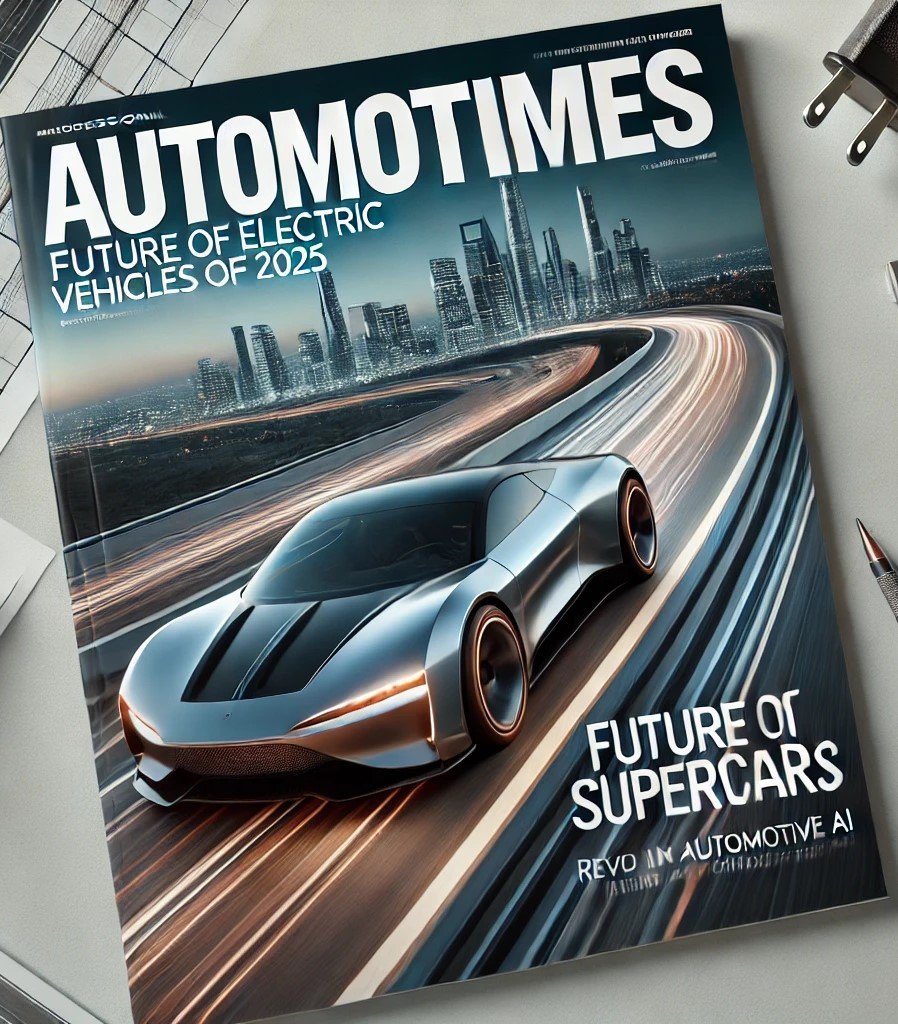
Aerodynamics plays a crucial role in the design of passenger vehicles, as it directly influences their performance, fuel efficiency, stability, and overall driving experience. The study of how air interacts with the vehicle as it moves—known as aerodynamics—helps designers optimize vehicle shapes and components to reduce drag, enhance stability, and minimize energy consumption. Here’s how aerodynamics influences the design of passenger vehicles:
1. Fuel Efficiency
- Reduced Drag: One of the primary ways aerodynamics influences vehicle design is by reducing drag, which is the resistance encountered by the vehicle as it moves through the air. The more streamlined a vehicle is, the less energy (fuel) is required to overcome this resistance, leading to better fuel efficiency.
- Smooth Body Design: Modern passenger vehicles are designed with sleek, smooth exteriors to reduce drag. Features such as curved rooflines, integrated spoilers, and sculpted body panels help air flow more smoothly over the car, reducing turbulence and resistance.
- Energy-Efficient Models: In electric vehicles (EVs), where maximizing range is critical, aerodynamic efficiency becomes even more important. Manufacturers design EVs with smooth underbodies, rounded edges, and flat surfaces to minimize air drag and maximize battery life and range.
2. Stability and Handling
- Downforce: Aerodynamics can also be used to improve the downforce of a vehicle, which is the force that pushes the car down onto the road, increasing traction and stability. This is especially important at higher speeds, where maintaining stability is crucial for safe handling.
- Spoilers and Diffusers: Performance vehicles often feature spoilers, diffusers, or other aerodynamic devices designed to create additional downforce. While these elements increase drag slightly, they help the vehicle maintain grip on the road, improving cornering ability and overall stability, particularly for sports cars.
- Front and Rear Design: The design of the vehicle’s front end (e.g., grille shape) and rear end (e.g., rear spoilers or sloped roofs) can significantly impact the distribution of downforce. A well-designed vehicle will balance front and rear downforce for optimal handling without excessive drag.
3. Noise Reduction
- Wind Noise: Poor aerodynamics can lead to increased wind noise, especially at higher speeds. Wind turbulence around the vehicle, particularly at the side mirrors, door seals, and roofline, can result in noise that can be distracting and uncomfortable for passengers.
- Design Improvements: To reduce noise, automakers smooth out areas prone to turbulence, such as the side mirrors, window frames, and rear spoilers. In some cases, active aerodynamics (adjustable parts that change position depending on speed, such as flaps and vents) are used to optimize airflow and reduce noise at different speeds.
4. Vehicle Shape and Structure
- Smooth, Rounded Lines: The overall shape of a passenger vehicle is one of the most significant factors in its aerodynamic performance. Modern vehicles often feature rounded or sloped rooflines, tapered rear ends, and smooth side panels to improve airflow. This design minimizes air resistance by preventing turbulence, which can reduce fuel efficiency and stability.
- Active Aerodynamics: Many new vehicles incorporate active aerodynamic features, which are components that adjust dynamically based on the vehicle’s speed or driving conditions. For instance, retractable spoilers, adjustable front grilles, and air vents can open or close to optimize airflow and enhance both fuel efficiency and downforce.
5. Fuel Economy in Electric and Hybrid Vehicles
- Energy Conservation: Aerodynamics is especially critical in the design of electric vehicles (EVs) and hybrid vehicles, where maximizing energy conservation and extending the driving range are top priorities. A vehicle’s energy consumption can be significantly reduced with proper aerodynamic design, ensuring that electric vehicles can travel further on a single charge.
- Streamlined Battery Placement: In EVs, the placement of the battery is often optimized for aerodynamics, with batteries placed low in the chassis to reduce drag and improve vehicle handling.
6. Environmental Impact
- Reducing Carbon Footprint: Vehicles with better aerodynamics consume less fuel and produce fewer emissions, directly contributing to a reduction in the carbon footprint of the automotive industry. This is particularly important as regulations around vehicle emissions become more stringent, and consumers increasingly demand more eco-friendly options.
- Hybrid Technologies: The combination of aerodynamic optimization with hybrid powertrains (gasoline and electric) helps achieve better overall environmental performance by improving both fuel economy and reducing the vehicle’s environmental impact.
7. Safety
- Crosswind Stability: Aerodynamics also impacts a vehicle’s ability to handle crosswinds. A vehicle with poor aerodynamic design can be more susceptible to lateral movements in gusty conditions, which can affect its stability and handling.
- Reduced Lift and Stability: At high speeds, poorly designed vehicles can experience lift (upward forces), causing the vehicle to lose contact with the road, potentially reducing control. Aerodynamic design reduces lift and ensures the vehicle maintains a firm grip on the road.
8. Design Aesthetics and Brand Identity
- Modern Aesthetics: While aerodynamics is primarily functional, it also plays a role in the aesthetic design of vehicles. Many automakers incorporate aerodynamic features into the vehicle’s exterior design in a way that enhances its visual appeal. Sleek, flowing lines and dynamic curves are often used to evoke a sense of speed and performance while also improving the vehicle’s aerodynamic performance.
- Brand Identity: Some automakers design vehicles with specific aerodynamic features that align with their brand identity, emphasizing performance, luxury, or innovation. For instance, manufacturers like Tesla, Porsche, and Mercedes-Benz invest heavily in aerodynamics to complement their high-performance and futuristic vehicle designs.
9. Impact of Wheels and Tires
- Wheel Design: Wheel wells and tire design also influence the overall aerodynamics of a vehicle. Aerodynamic wheels with smooth surfaces help reduce drag, while wide, low-profile tires improve road contact and handling.
- Wheel Covers and Spats: To further reduce drag and improve efficiency, vehicles often feature specially designed wheel covers or aerodynamic wheel spats (flaps) that direct air smoothly around the tires.
Conclusion
Aerodynamics significantly impacts passenger vehicle design, influencing fuel efficiency, stability, safety, and overall driving performance. By optimizing the shape, structure, and components of a vehicle, automakers can enhance vehicle performance, reduce environmental impact, and improve the overall driving experience. With the increasing emphasis on fuel economy and sustainability, aerodynamics will continue to play an essential role in shaping the future of automotive design, especially as electric and hybrid vehicles become more prevalent on the road.
Hashtags
#AerodynamicDesign #VehicleAerodynamics #CarAerodynamics #AerodynamicVehicles #VehiclePerformance #FuelEfficientDesign #AerodynamicsInCars #FuelEfficiency #FuelSavingDesign #EcoFriendlyCars #AerodynamicFuelEfficiency #EfficientVehicleDesign #GreenVehicleDesign #CarShapeDesign #StreamlinedDesign #AerodynamicCarBody #LowDragDesign #SleekCarDesign #SmoothCarExterior #VehicleStability #WindResistanceInCars #HandlingPerformance #AerodynamicHandling #WindTunnelTesting #ElectricVehicleAerodynamics #EVEfficiency #EVDesign #AerodynamicElectricCars #WindTunnelTesting #AerodynamicTesting #CFDAnalysis #AerodynamicPrototypes #ModernCarDesign #CarDesignTrends #NextGenCarDesign #InnovativeVehicleDesign